China bans hidden car door handles over safety concerns - BBC
a month ago
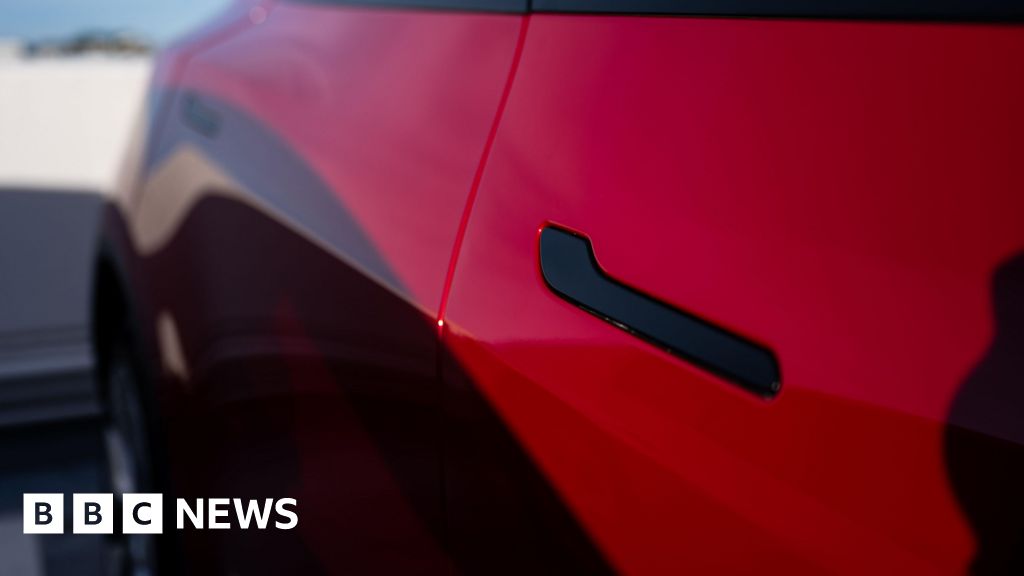
In November, the US National Highway Traffic Safety Administration (NHTSA) initiated an investigation into Tesla's electric-powered door handles after receiving multiple reports from consumers indicating that these handles ceased functioning unexpectedly. This situation raises significant concerns about the safety and reliability of Tesla's innovative features, which are often touted as key advantages of their electric vehicles. The malfunctioning door handles can potentially lead to dangerous situations, particularly if drivers and passengers find themselves unable to exit the vehicle in an emergency. The NHTSA's decision to probe this issue reflects a growing emphasis on ensuring that advanced automotive technologies operate seamlessly and safely. The investigation into Tesla's door handles is part of a broader scrutiny of the company's vehicles and their safety features. Over the years, Tesla has garnered attention not only for its advancements in electric vehicle technology but also for its unique design elements that often deviate from traditional automotive standards. The electric door handles, designed to present a sleek and modern aesthetic, automatically extend when the vehicle is approached and retract when not in use. However, reports of these handles malfunctioning have raised questions about their reliability and the potential risks they pose to drivers and passengers. As more consumers adopt electric vehicles, ensuring that such technologies are thoroughly tested and reliable becomes ever more critical. In response to the NHTSA's investigation, Tesla has stated its commitment to addressing customer concerns and continuously improving its vehicle features. The company has been known for its rapid software updates, which can often resolve issues related to functionality and performance. However, the physical nature of the door handles presents different challenges compared to software-based problems. Tesla's engineers will likely need to conduct thorough assessments and possibly redesign certain components to ensure that the door handles function correctly under all conditions. This incident serves as a reminder of the importance of rigorous testing and quality assurance in the automotive industry, particularly for companies that are pushing the boundaries of traditional vehicle design. As the NHTSA continues its investigation, it will gather data from affected consumers and analyze the potential implications of the door handle failures. The outcome of this inquiry may lead to regulatory actions, including recalls or mandatory safety improvements, depending on the severity of the issue. Additionally, this situation highlights the need for ongoing dialogue between automotive manufacturers and regulatory bodies to ensure that innovative technologies are not only functional but also safe for everyday use. For Tesla, resolving this issue will be vital for maintaining consumer trust and confidence in their brand, especially as competition in the electric vehicle market continues to intensify.