Nexperia: Battle over Chinese chip maker rocks global car industry - BBC
a month ago
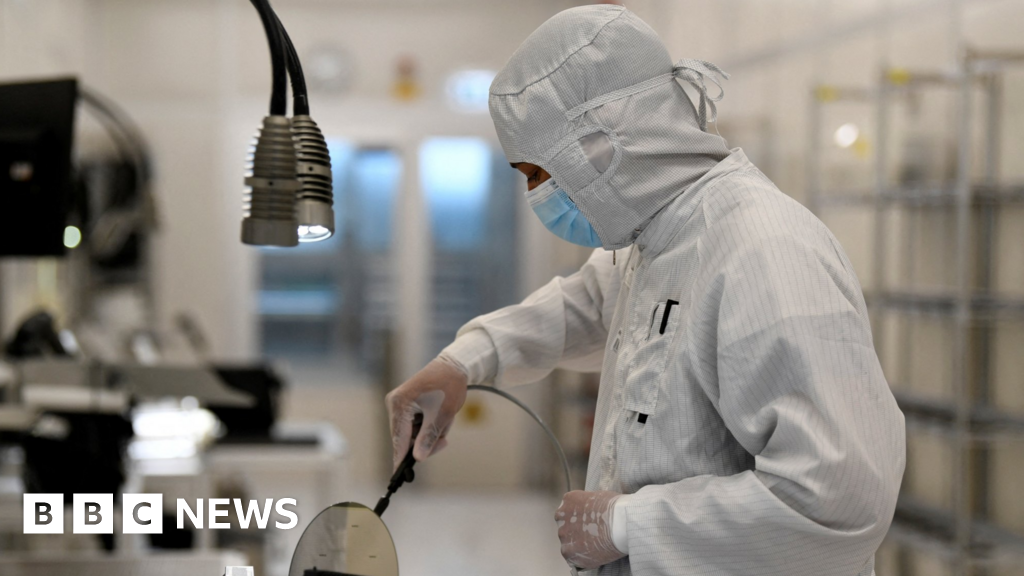
In late September 2023, the Dutch government made headlines by invoking a Cold War-era emergency law to take control of a Chinese-owned semiconductor company operating within its borders. This decision reflects growing concerns among Western nations about the security implications of foreign ownership in critical technology sectors. The company in question, which has been integral to the European semiconductor supply chain, has found itself at the center of a geopolitical storm, as governments worldwide grapple with the influence of China in advanced technology and the potential risks it poses to national security. This move by the Netherlands is not merely an isolated incident but part of a broader trend among Western nations, which are increasingly scrutinizing foreign investments in sensitive industries. The semiconductor industry, often dubbed the backbone of modern technology, has seen surging demand due to the rise of artificial intelligence, the Internet of Things, and other high-tech applications. As countries strive to maintain their technological edge, the geopolitical landscape surrounding chip production has become fraught with tension. The Dutch government’s decision to assert control over the Chinese-owned chip company illustrates a growing recognition that reliance on foreign entities for critical technology can lead to vulnerabilities. This situation underscores the delicate balance governments must strike between fostering international trade and safeguarding their national interests, particularly in sectors deemed vital for economic security and technological sovereignty. The invocation of the emergency law also highlights the legal frameworks that countries can employ to protect their strategic industries. In the Netherlands, this Cold War-era legislation was initially designed to address threats during a time of heightened international tension, but it has now been repurposed to meet modern challenges posed by foreign investments. This approach could serve as a precedent for other nations grappling with similar dilemmas. As technology continues to evolve, governments are likely to reassess their regulatory mechanisms and update them to better reflect the realities of an interconnected global economy where national security and economic interests often conflict. Looking ahead, the implications of the Dutch government's actions may resonate beyond its borders, prompting other countries to reconsider their own policies regarding foreign ownership in critical sectors. As nations navigate the complexities of globalization and technological advancement, the prioritization of national security will likely play a pivotal role in shaping future regulations. The semiconductor industry, in particular, will remain a focal point of geopolitical competition, as countries strive to secure their supply chains and mitigate risks associated with foreign influence. This ongoing saga in the Netherlands serves as a telling example of the intricate interplay between technology, security, and international relations in the 21st century.